Amla for Vitamin C: Benefits, Nutrition Profile & How to Use
Explore amla as a natural vitamin C source—nutrition profile, antioxidant support, uses, precautions, and supplement selection tips.
5/8/20243 min read
Amla (Indian Gooseberry): Nutrition, Benefits, Uses, and Why It’s Valued for Vitamin C
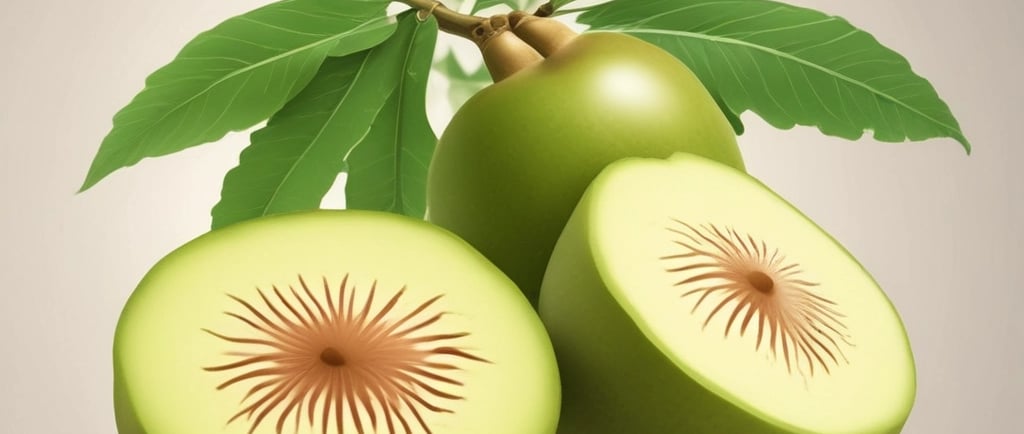
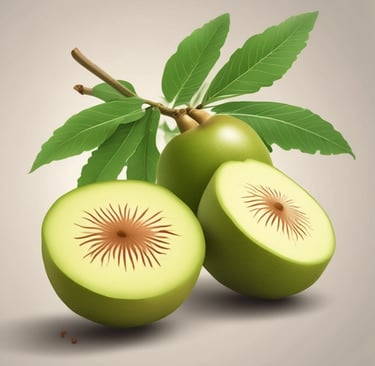
Amla, also known as Indian gooseberry, is one of the most respected fruits in traditional wellness systems and modern nutrition discussions. Scientifically called Phyllanthus emblica, amla is widely known for its naturally high vitamin C content, antioxidant profile, and long history of dietary use.
Today, amla is consumed in many forms—fresh fruit, powder, juice, extracts, and tablets—making it easy to include in everyday wellness routines.
What Is Amla?
Amla is a small, green fruit native to India and parts of Southeast Asia. It has a sour and slightly bitter taste and has been traditionally used in food and wellness preparations for centuries.
In modern nutrition, amla is primarily valued for:
Naturally occurring vitamin C
Polyphenols and flavonoids
Tannins that help stabilize vitamin C
Antioxidant compounds
Unlike synthetic vitamin C sources, amla contains co-factors that help protect vitamin C from degradation.
Nutritional Profile of Amla
Amla is considered nutrient-dense even in small amounts. Its nutritional significance comes mainly from:
1. Vitamin C
Amla is one of the richest natural sources of vitamin C. What makes it unique is that its vitamin C is relatively stable due to the presence of tannins, even after drying or processing.
Vitamin C is essential for:
Normal immune function
Collagen formation (skin, joints, connective tissue)
Antioxidant defense against oxidative stress
Iron absorption from plant foods
Because of this, amla is often used as a base ingredient in vitamin C tablets and supplements designed for daily use.
2. Antioxidants and Polyphenols
Amla contains a variety of antioxidants such as:
Gallic acid
Ellagic acid
Flavonoids
Tannins
These compounds help support the body’s natural antioxidant systems and contribute to overall cellular wellness.
3. Dietary Fiber
Amla provides natural fiber, which supports:
Digestive regularity
Gut comfort
Balanced eating patterns
Fiber also plays a role in supporting metabolic health when included as part of a balanced diet.
Amla Benefits for Everyday Wellness
Supports Immune Health
Vitamin C plays a well-established role in supporting normal immune system function. Regular intake of vitamin C–rich foods like amla can help maintain immune readiness as part of a healthy lifestyle.
Supports Skin and Hair Nutrition
Vitamin C contributes to collagen synthesis, which is important for skin structure and elasticity. This is why amla is commonly discussed in beauty and skin wellness routines.
Supports Digestive Wellness
Traditionally, amla has been included in diets to support digestion. Its fiber content and bioactive compounds make it suitable for inclusion in gut-friendly eating patterns.
Supports Antioxidant Balance
Oxidative stress is a normal part of metabolism. Antioxidant-rich foods like amla help support the body’s ability to manage oxidative balance naturally.
Different Ways to Consume Amla
Fresh Amla
Consumed raw or cooked, though its sour taste limits frequent intake.
Amla Powder
Often added to water, smoothies, or food preparations.
Amla Juice
Popular but may contain added sugars—label checking is important.
Amla Extracts and Tablets
A convenient and consistent option for people who want daily vitamin C intake without taste issues.
Because of convenience and dosage consistency, many people prefer amla-based vitamin C tablets as part of their routine, especially when fresh fruit is not easily available.
Why Amla Is Used in Vitamin C Tablets
Not all vitamin C supplements are the same. Amla is often used in vitamin C formulations because:
It provides a natural source of vitamin C
It contains supporting phytonutrients
It is generally well tolerated
It fits well into plant-based supplement preferences
If you are exploring vitamin C tablets derived from natural sources, amla-based formulations are commonly chosen for daily wellness routines.
Best Amla-based vitamin C tablets
How to Choose a Quality Amla Supplement
When selecting an amla or vitamin C tablet, consider:
Standardized vitamin C content
Clear ingredient labeling
No unnecessary artificial colors or fillers
Lab testing and quality assurance
Proper dosage instructions
Avoid products that make unrealistic health or disease cure claims.
Who Should Be Careful with Amla?
Amla is generally safe when consumed as food or supplements, but:
People with sensitive digestion should start with small amounts
Those on medication should consult a professional
Excessive intake of vitamin C may cause stomach discomfort in some individuals
Moderation and consistency are key.
Amla vs Synthetic Vitamin C
FeatureAmla-based Vitamin CSynthetic Vitamin CSourceNatural fruitLab-synthesizedCo-factorsPresentAbsentToleranceOften betterMay cause acidityPreferenceNatural wellness usersClinical use
Both forms provide vitamin C, but preference depends on individual needs and tolerance.
Final Thoughts
Amla is more than just a traditional fruit—it is a nutritionally relevant ingredient with modern applications. Its natural vitamin C content, antioxidant profile, and versatility make it valuable in today’s wellness-focused diets.
Whether consumed as food or in the form of vitamin C tablets, amla continues to be a trusted option for those looking to support everyday health through nutrition.